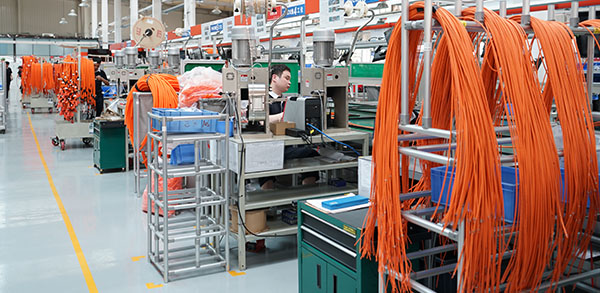

HVIL Design Principles and Wiring Method in New Energy High-Voltage Metal Connectors
As electric vehicles and high-voltage energy systems continue to evolve toward higher power density and enhanced safety requirements, high-voltage interconnection reliability has become one of the most critical factors in system design. Among all safety mechanisms integrated into modern EV architectures, the High Voltage Interlock Loop (HVIL) plays an indispensable role.
In high-voltage metal connectors used in battery packs, electric compressors, PTC heaters, inverters, and charging systems, HVIL technology serves as a fundamental protection mechanism ensuring operational safety throughout the vehicle lifecycle.
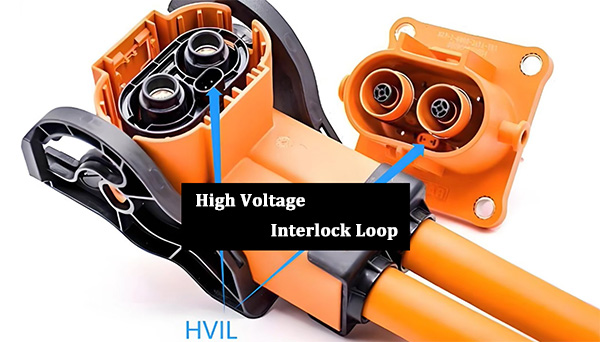 Unlike power terminals designed to transmit high current levels, the High Voltage Interlock Loop (HVIL) operates as a low-voltage monitoring circuit integrated into the vehicle safety architecture and connected to the Vehicle Control Unit (VCU) or Battery Management System (BMS).
When the high-voltage connector is fully mated and mechanically locked, dedicated HVIL contacts establish a continuous electrical loop confirming correct connector engagement. The verified loop continuity signals that all high-voltage interfaces remain securely connected. Based on this confirmation, the control system permits activation of the high-voltage system by allowing the main battery contactors to close, enabling controlled energy distribution across the vehicle while maintaining continuous safety monitoring during operation.
However, if a connector becomes loose, partially disengaged, or removed during operation or servicing, the HVIL circuit is intentionally interrupted as part of the system safety mechanism. Due to the dedicated interlock contact design, the HVIL loop opens prior to the separation of high-voltage power contacts, allowing the vehicle control system to immediately detect the loss of connector integrity. Once the interruption is identified, a fault signal is transmitted to the battery management or vehicle control system, which commands the main high-voltage contactors to disconnect the power source within milliseconds. This controlled shutdown process effectively eliminates the risk of electrical arcing, prevents exposure to energized conductors, and protects both equipment and service personnel from potential high-voltage hazards.
Therefore, HVIL is now a mandatory safety feature in most modern EV high-voltage architectures.
The HVIL circuit in electric vehicles is normally connected in a series loop architecture, linking all critical high-voltage components throughout the system.
A typical HVIL routing logic is shown below:
BMS → Battery Connector → MSD → Inverter → Electric Compressor → Charger → Back to BMS
Only when all connectors remain fully mated does the interlock loop stay electrically closed, allowing the high-voltage system to operate.
Figure 1 illustrates the internal HVIL circuit concept of a 2-pole receptacle connector.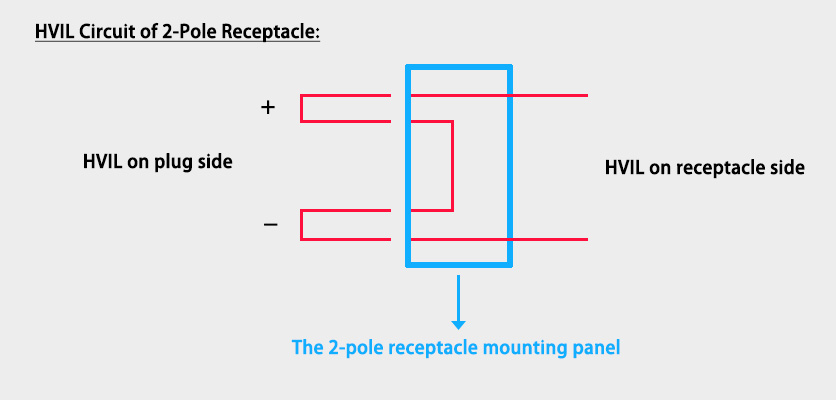
The diagram demonstrates how HVIL signal lines pass through both the plug side and receptacle side to form a continuous monitoring loop. When the connector is properly installed onto the mounting panel, the HVIL contacts are electrically bridged inside the connector structure, completing the circuit.
This design ensures that electrical disconnection is detected before exposure of live high-voltage contacts, significantly improving operational and maintenance safety.
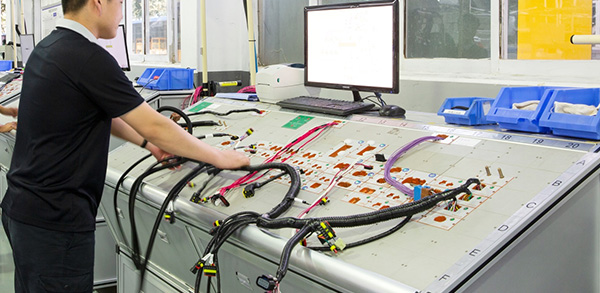
Since HVIL functions as a low-voltage monitoring circuit rather than a power transmission path, the wiring process focuses primarily on signal reliability, mechanical stability, and environmental protection.
During receptacle-side assembly, customers commonly select standardized automotive signal terminals for HVIL wiring integration. The signal wires are crimped and assembled into dedicated HVIL cavities inside the connector housing, forming a continuous interlock circuit once the connector is fully mated.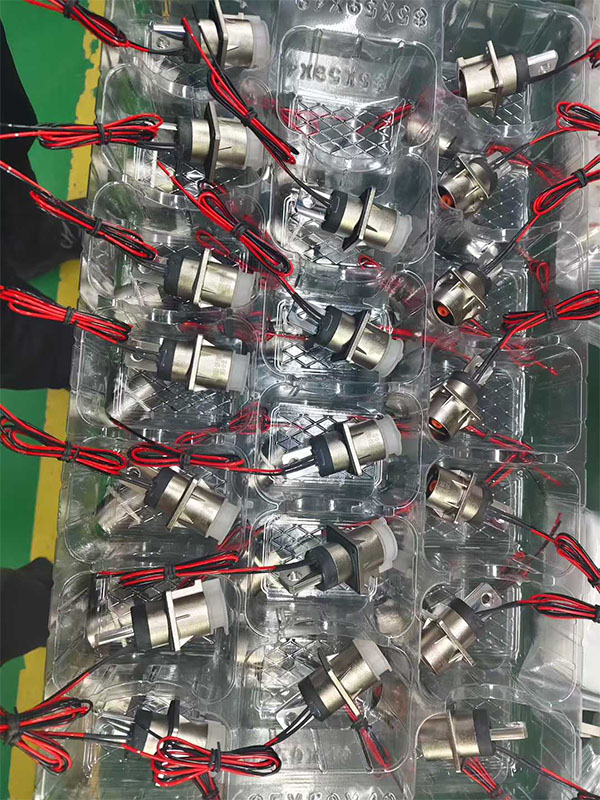
The typical HVIL wiring process includes:
Signal wire cutting according to harness layout requirements
Precision insulation stripping
Terminal crimping using controlled tooling
Terminal insertion into HVIL positions
Secondary locking confirmation
Electrical continuity verification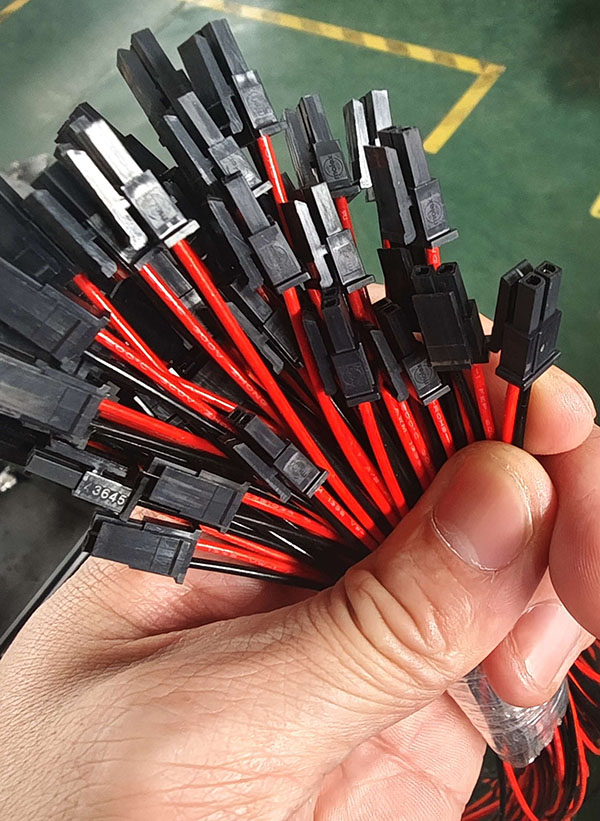
Depending on vehicle architecture and installation environments, some customers additionally require protective treatments for the HVIL signal wires. These may include:
Protective tube routing for mechanical guidance and abrasion resistance
Insulation sleeves for enhanced environmental protection
Customized harness covering solutions based on routing space or sealing requirements
All of these processing options can be manufactured according to specific customer drawings or technical specifications. From terminal crimping to protective covering integration, the HVIL wiring assembly can be fully customized to match different vehicle platforms and application scenarios.
Through integrated connector and harness manufacturing capabilities, we ensure consistent quality control across both electrical connection and signal interlock systems.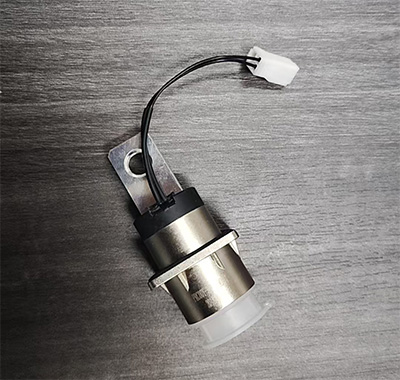
Our capabilities include:
Customized HVIL structural design
Integrated signal and power terminal assembly
Professional crimping and harness preparation
Multiple connector keying options
High protection grades for harsh environments
Validation for vibration, thermal cycling, and salt spray conditions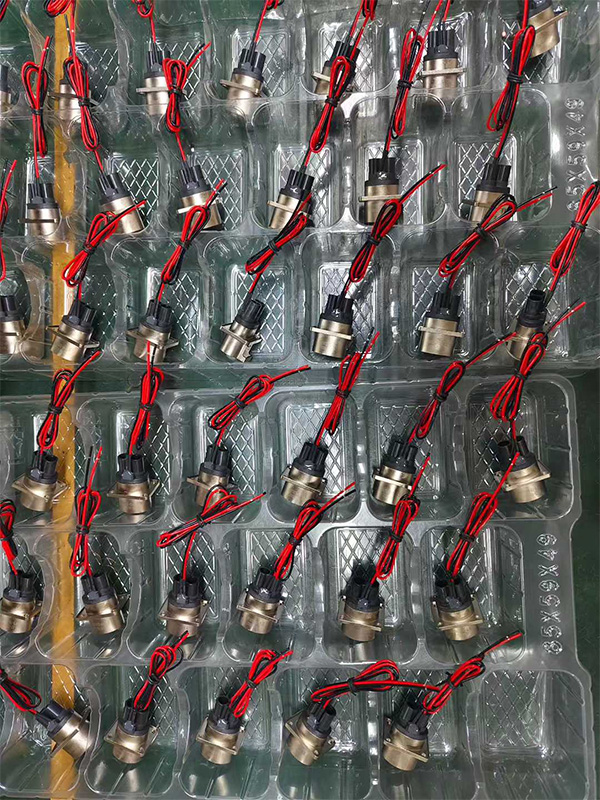
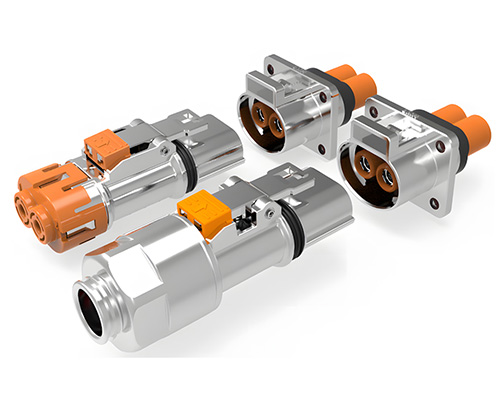
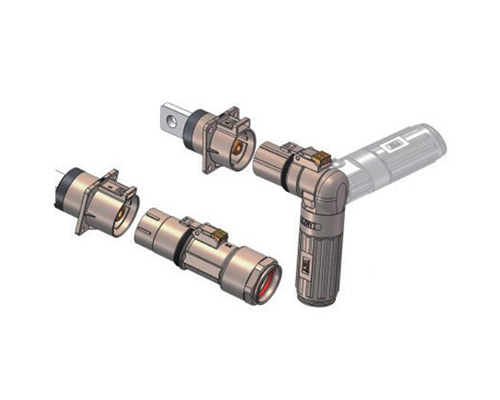
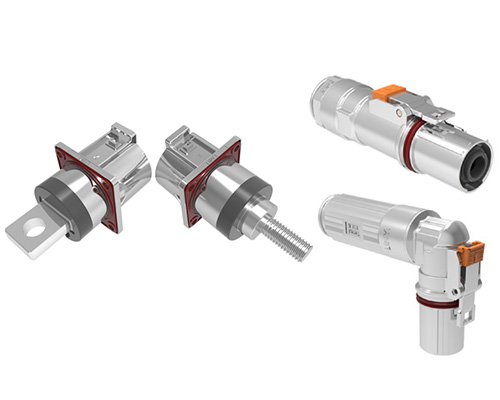
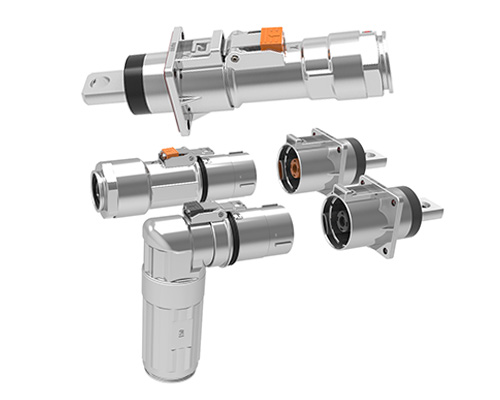
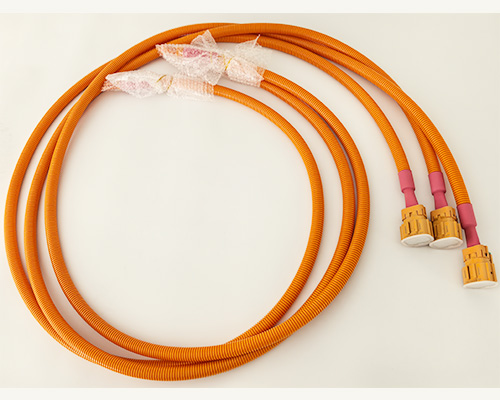
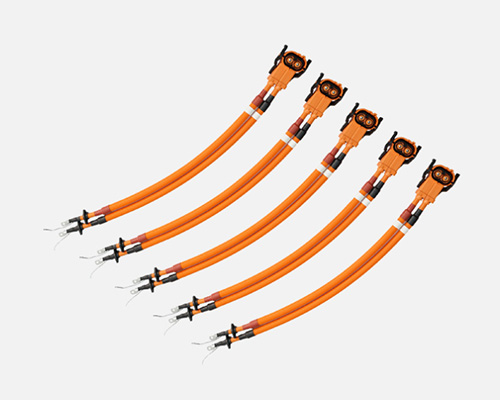
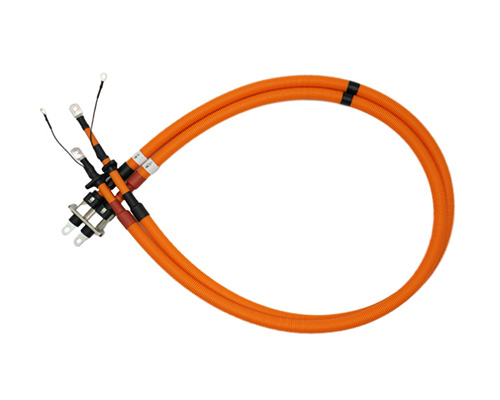
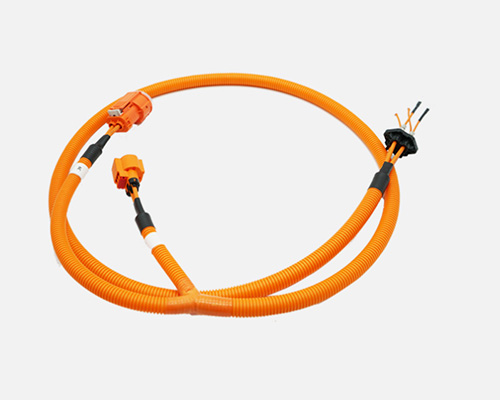
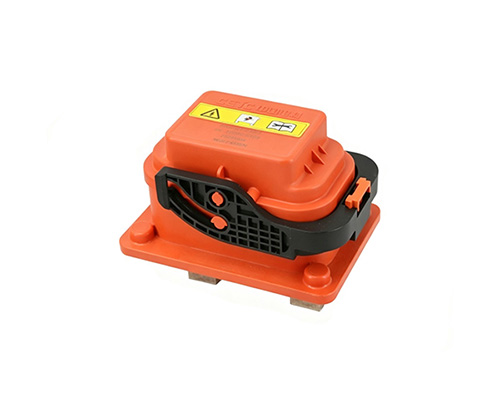
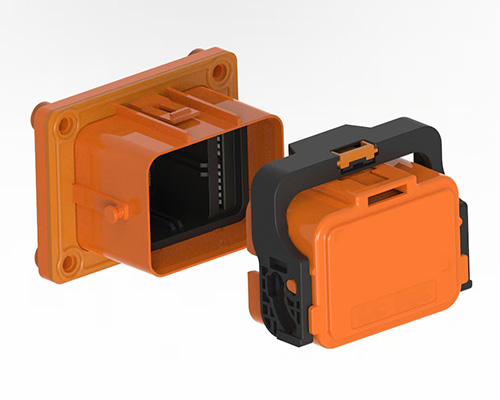
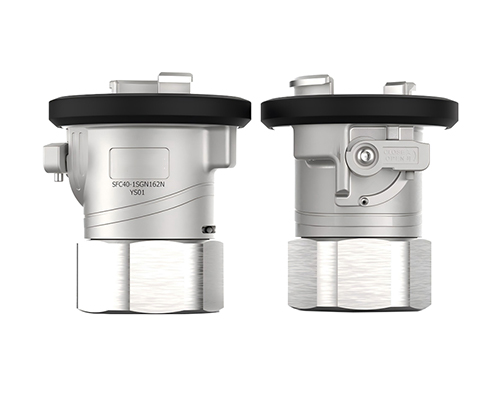
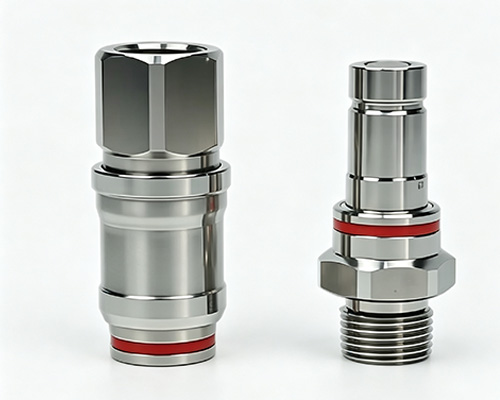
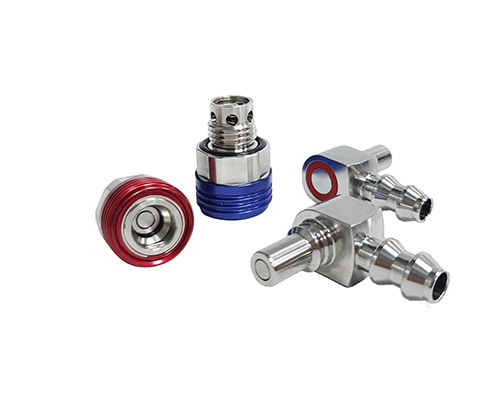
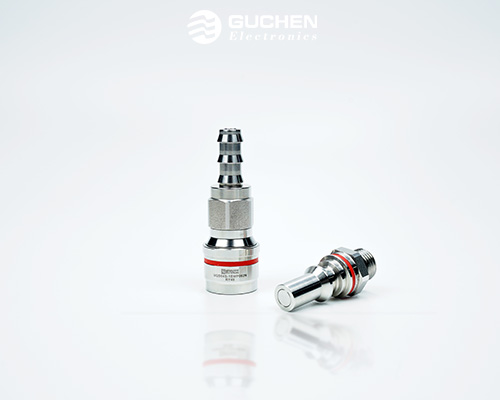
Figure 5. Guchen HVIL connectors
From connector design to finished assembly, every HVIL circuit undergoes strict electrical continuity and functional verification to ensure system safety and long-term reliability.
By combining advanced manufacturing processes with deep application understanding in EV systems, we provide customers with safe, reliable, and fully engineered high-voltage connection solutions.
In high-voltage metal connectors used in battery packs, electric compressors, PTC heaters, inverters, and charging systems, HVIL technology serves as a fundamental protection mechanism ensuring operational safety throughout the vehicle lifecycle.
What Is HVIL and Why Is It Important?
The High Voltage Interlock Loop is a low-voltage monitoring circuit integrated into high-voltage connectors and components. Its primary function is to continuously verify whether all high-voltage connections remain correctly mated and mechanically secured.When the high-voltage connector is fully mated and mechanically locked, dedicated HVIL contacts establish a continuous electrical loop confirming correct connector engagement. The verified loop continuity signals that all high-voltage interfaces remain securely connected. Based on this confirmation, the control system permits activation of the high-voltage system by allowing the main battery contactors to close, enabling controlled energy distribution across the vehicle while maintaining continuous safety monitoring during operation.
However, if a connector becomes loose, partially disengaged, or removed during operation or servicing, the HVIL circuit is intentionally interrupted as part of the system safety mechanism. Due to the dedicated interlock contact design, the HVIL loop opens prior to the separation of high-voltage power contacts, allowing the vehicle control system to immediately detect the loss of connector integrity. Once the interruption is identified, a fault signal is transmitted to the battery management or vehicle control system, which commands the main high-voltage contactors to disconnect the power source within milliseconds. This controlled shutdown process effectively eliminates the risk of electrical arcing, prevents exposure to energized conductors, and protects both equipment and service personnel from potential high-voltage hazards.
Therefore, HVIL is now a mandatory safety feature in most modern EV high-voltage architectures.
HVIL Serial Connection Principle Inside the Connector
Inside a high-voltage metal connector, HVIL terminals are typically designed as first-break / last-mate contacts, ensuring that the safety monitoring circuit reacts before any high-voltage power disconnection occurs.The HVIL circuit in electric vehicles is normally connected in a series loop architecture, linking all critical high-voltage components throughout the system.
A typical HVIL routing logic is shown below:
BMS → Battery Connector → MSD → Inverter → Electric Compressor → Charger → Back to BMS
Only when all connectors remain fully mated does the interlock loop stay electrically closed, allowing the high-voltage system to operate.
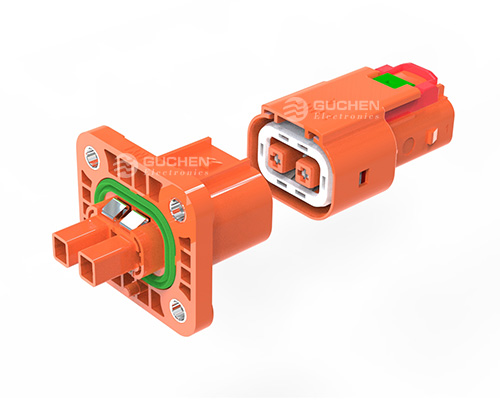
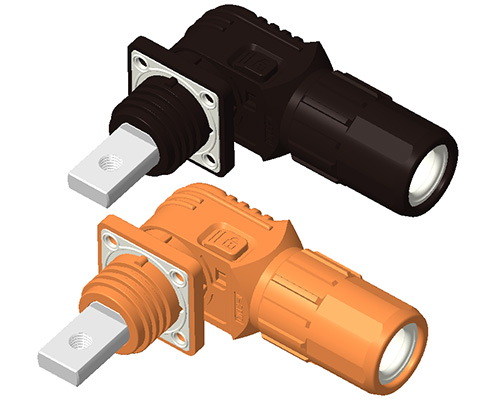
Figure 1 illustrates the internal HVIL circuit concept of a 2-pole receptacle connector.
Figure 1. HVIL Circuit of Guchen 2-Pole Receptacle
The diagram demonstrates how HVIL signal lines pass through both the plug side and receptacle side to form a continuous monitoring loop. When the connector is properly installed onto the mounting panel, the HVIL contacts are electrically bridged inside the connector structure, completing the circuit.
This design ensures that electrical disconnection is detected before exposure of live high-voltage contacts, significantly improving operational and maintenance safety.
HVIL Wiring on the Receptacle Side
In practical high-voltage connector applications, the HVIL circuit on the receptacle side requires precise signal wiring to ensure reliable loop continuity throughout vehicle operation.Since HVIL functions as a low-voltage monitoring circuit rather than a power transmission path, the wiring process focuses primarily on signal reliability, mechanical stability, and environmental protection.
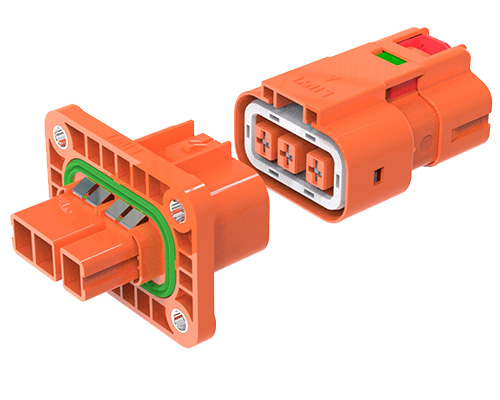
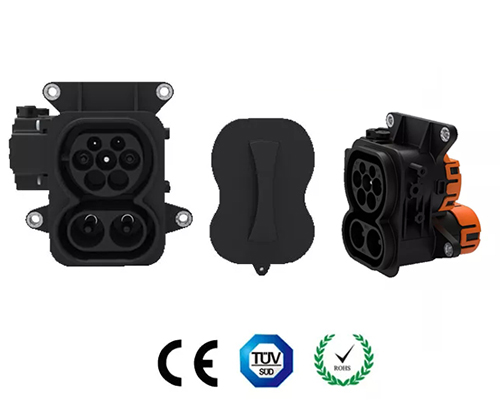
During receptacle-side assembly, customers commonly select standardized automotive signal terminals for HVIL wiring integration. The signal wires are crimped and assembled into dedicated HVIL cavities inside the connector housing, forming a continuous interlock circuit once the connector is fully mated.
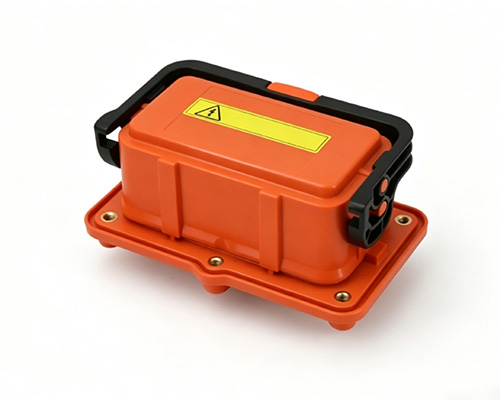
Figure 2. GCMC1-200A Receptacle with HVIL Wires
The typical HVIL wiring process includes:
Signal wire cutting according to harness layout requirements
Precision insulation stripping
Terminal crimping using controlled tooling
Terminal insertion into HVIL positions
Secondary locking confirmation
Electrical continuity verification
Figure 3. HVIL Signal Wiring Assembly on Receptacle Side
Depending on vehicle architecture and installation environments, some customers additionally require protective treatments for the HVIL signal wires. These may include:
Protective tube routing for mechanical guidance and abrasion resistance
Insulation sleeves for enhanced environmental protection
Customized harness covering solutions based on routing space or sealing requirements
All of these processing options can be manufactured according to specific customer drawings or technical specifications. From terminal crimping to protective covering integration, the HVIL wiring assembly can be fully customized to match different vehicle platforms and application scenarios.
Through integrated connector and harness manufacturing capabilities, we ensure consistent quality control across both electrical connection and signal interlock systems.
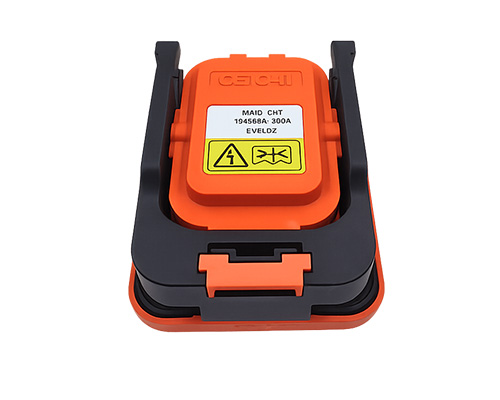
Figure 4. High-Voltage Connector with HVIL Wiring Crimped Using Molex Signal Terminals
Our Expertise in High-Voltage Connector Manufacturing
With extensive experience in new energy vehicle interconnection systems, our engineering team specializes in the development and manufacturing of high-voltage connectors with integrated HVIL solutions.Our capabilities include:
Customized HVIL structural design
Integrated signal and power terminal assembly
Professional crimping and harness preparation
Multiple connector keying options
High protection grades for harsh environments
Validation for vibration, thermal cycling, and salt spray conditions
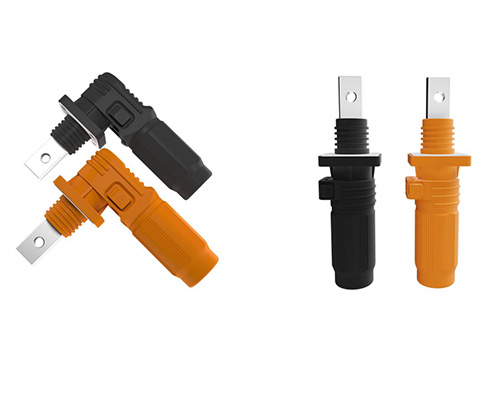
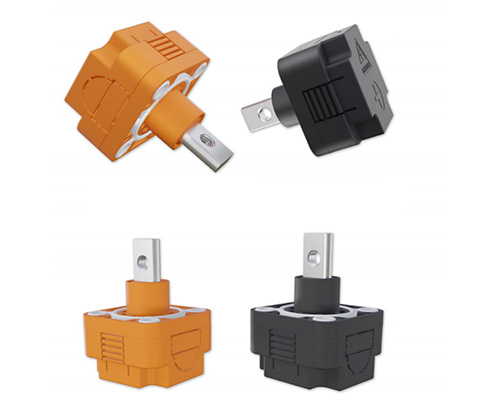
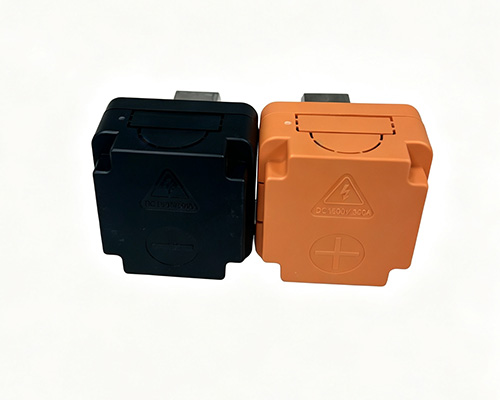
Figure 5. Guchen HVIL connectors
From connector design to finished assembly, every HVIL circuit undergoes strict electrical continuity and functional verification to ensure system safety and long-term reliability.
By combining advanced manufacturing processes with deep application understanding in EV systems, we provide customers with safe, reliable, and fully engineered high-voltage connection solutions.
Message
If you are interested in our products, please fill in the message form below. Our sales representative will contact you within 24 hours.